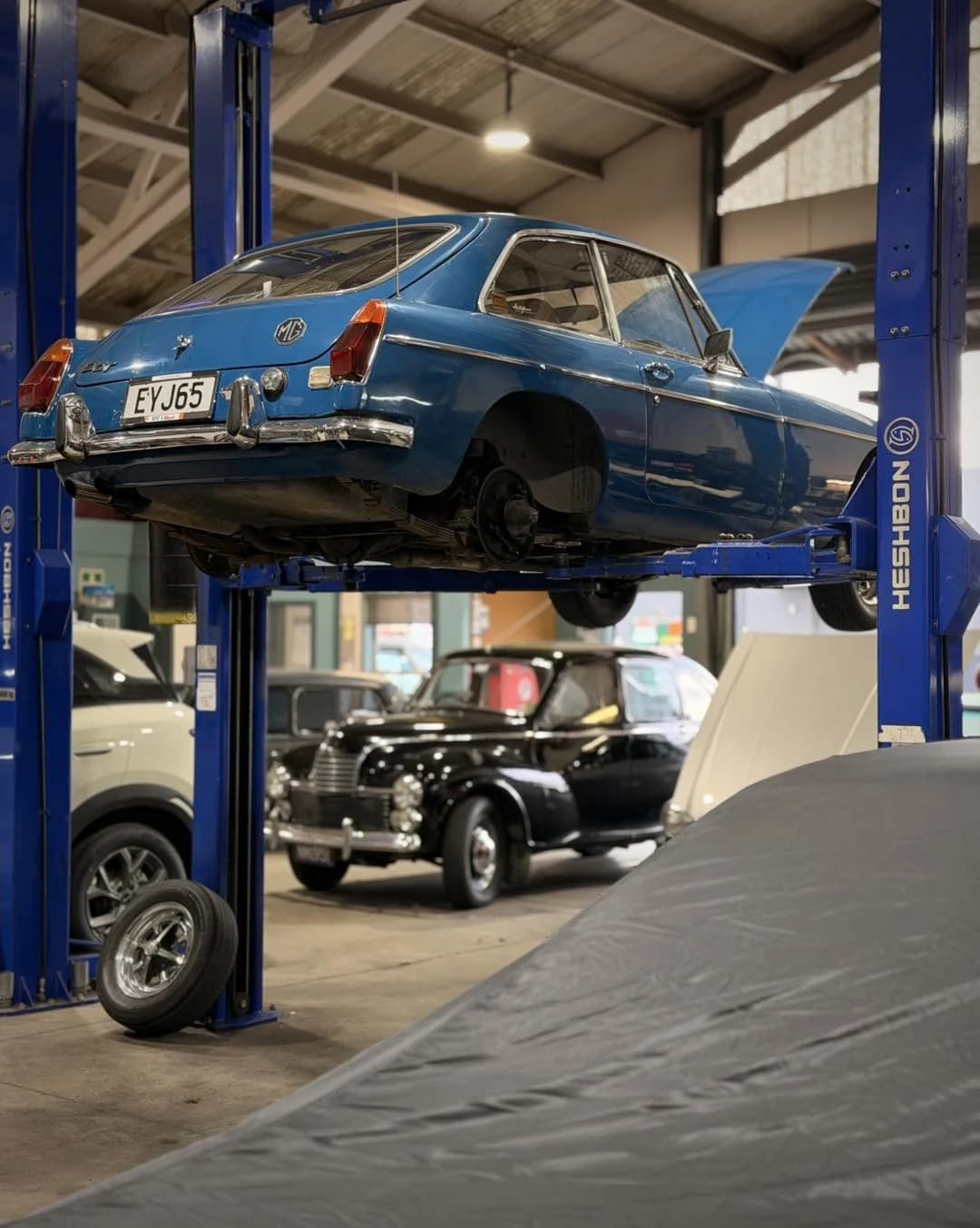
The car is on the hoist, the pads are metal on metal, and the customer isn't answering the phone. Online approval fixes most of that: the customer gets a text with the price and the photos, taps yes or no per item, and you have a time-stamped record. This guide covers the workflow, wording that gets a clear answer, and the legal difference between a quote and an estimate in New Zealand.
Updated 18 November 2026. General information, not legal advice. Sources are listed at the end.
Quote vs estimate: what's the difference in NZ?
| Quote | Estimate | |
|---|---|---|
| What it is | An offer to do the job for a specified price | Your best guess at the cost, based on skill and experience |
| Can the final bill be higher? | Not unless the customer agrees to extra work or the scope changes | Yes, but Consumer Protection says it should generally be within 10 to 15% |
| Extra work found during the job | A variation: you can only charge for it if the customer agrees | Same: get agreement before you go beyond what you estimated |
| When to use it | Known jobs: services, pads and rotors, a timing belt from the labour guide | Diagnosis, rust, seized bolts, anything you can't see until it's apart |
If no price was agreed at all, the Consumer Guarantees Act says a consumer only has to pay a reasonable price for the service (section 31). That's a weak position for a workshop to argue from. Put a number on it before you start.
Two more points from Consumer Protection's guidance: you can charge for preparing a quote, but only if you tell the customer beforehand, and customers are told to get quotes and estimates in writing. A text or emailed link with the price is in writing.
Label it properly
Call it a quote only when you're prepared to stand behind the price. For anything uncertain, call it an estimate, give a range if you can, and say what happens if it goes over: "This is an estimate. If it's going to cost more than $650, we'll stop and contact you first." That one sentence prevents most invoice arguments.
The online approval workflow
- Inspect and photograph. Every item you're recommending gets a photo and a one-line note. Hoist inspections put the photo and note on each check.
- Price each item separately, with parts and labour, GST included for private customers.
- Sort by urgency: needs doing now (safety or WoF fail), should do soon, can wait.
- Send one link by text, with a short message. Email it too if they prefer email.
- Let them approve item by item. All-or-nothing approvals get more no's.
- Start work only on what's approved. The approval, with its date and time, is your record.
- Chase once. No answer in an hour on a car that's in the bay? Ring them. Don't proceed without a yes.
- Save the no's against the vehicle as deferred work, and raise them again. That's what our deferred work playbook is for.
Under the Unsolicited Electronic Messages Act, a response to a customer's request for a quote or estimate isn't a commercial electronic message, according to Internal Affairs. Sending the approval link to a customer whose car you're working on doesn't need marketing consent.
Wording that works
Extra work found during a service (text):
Hi Sarah, it's Dave at Riverside Auto. Your Corolla's front brake pads are down to 2 mm and the discs are scored (photos in the link). Pads and discs are $420 incl GST and we can do them today. Tap to approve or decline each item: [link]. Happy to talk it through, just ring [workshop number].
Estimate before a repair (text):
Hi Mike, your estimate for the clutch replacement on the Hilux is ready: $1,850 to $2,100 incl GST, depending on the flywheel. We'll call before going over $2,100. Approve here: [link]
Several items with different urgency:
Hi Aroha, we've finished the inspection on your Outlander. One item needs doing before you drive it much further (rear brake hose leaking). Two can wait a few months. All priced with photos here: [link]
What makes these work:
- Name the car and the part. "Your Corolla's front pads", not "some issues".
- Give the price, GST included. Customers decide on the number they'll pay.
- Say what happens next: today, by when, what you'll do if it goes over.
- Offer a phone call. Some people want to talk before saying yes to $400.
- Don't pressure. Explain the risk in plain words and let them choose. A declined item with a written warning protects you better than a reluctant yes.
Online approval in Hoist
Hoist sends approval links by text or email, with no login for the customer:
- Estimates: the customer approves from the link and the estimate becomes the work order.
- Extra work found mid-job: send the job for authorisation. The customer picks Go ahead, No thanks or Not this time for each job.
- Declined and deferred jobs are saved against the vehicle and come up under Deferred work on the next visit, ready to add to the work order.
- Inspections with photos give the customer the evidence behind each item. See digital inspections and job cards.
Get a yes without phone tag
Approval links by text, inspections with photos and deferred work saved on the vehicle. $140 + GST a month, 3 users included. Free trial, no card needed.
Start Free TrialSources
- Consumer Protection (MBIE), Quotes and estimates (definitions, 10 to 15% guidance, charging for quotes, variations)
- New Zealand Legislation, Consumer Guarantees Act 1993, section 31 (guarantee as to price)
- Department of Internal Affairs, What anti-spam law means for businesses (messages that are not commercial)